

Cold Weather, Cranky Joints: Why Your Knees Know Winter's Coming
Cold weather joint pain is common in the fall. Here’s what causes it, and what you can do before winter arrives...
The mornings are getting colder across Fairfield County. Your knees may notice before you do.
Many people experience more stiffness or aching when temperatures drop. The discomfort often affects the knees, hips, hands, and lower back. It becomes more noticeable after sitting, walking outside, or doing fall yard work.
So why does cold weather joint pain happen?
Barometric pressure may play a role
Barometric pressure is the weight of the air around us. It changes before storms and major weather fronts.
When pressure drops, tissues around a joint can expand slightly. That can increase pressure on already sensitive areas, especially if the joint has arthritis, an old injury, or swelling.
Research shows a connection between weather changes and osteoarthritis pain, although the effect differs from person to person. Weather does not damage your joints. It can make existing sensitivity more noticeable.
Cold can make joints feel stiff
Joints contain synovial fluid. This fluid helps the joint move smoothly.
Cold temperatures can make that fluid thicker. Muscles, tendons, and other soft tissues also become less flexible when they are cold. The result is a joint that feels stiff when you first get up or start moving.
That stiffness usually improves once your body warms up.
The real culprit: You may move less
This is the part many people overlook.
When the weather turns cold, people spend more time indoors. They walk less. They sit longer. They skip workouts. That drop in movement can reduce strength and mobility.
Less movement creates more stiffness. Less strength also means your knees work harder during stairs, squats, and yard work.
The solution is not to avoid movement. It is to prepare your body for it.
Four ways to manage cold weather joint pain
1. Keep moving
Choose low-impact activities that you can do consistently.
Try walking indoors, using a stationary bike, swimming, or completing a short mobility routine. Gentle movement helps lubricate the joints and reduces stiffness.
Break up long periods of sitting. Stand up and move for a few minutes every hour.
2. Warm up before activity
Do not go straight from a warm house into strenuous activity.
Spend five to 10 minutes walking slowly or performing gentle leg movements before exercising, hiking, or tackling outdoor chores. Wear warm layers that keep your muscles comfortable.
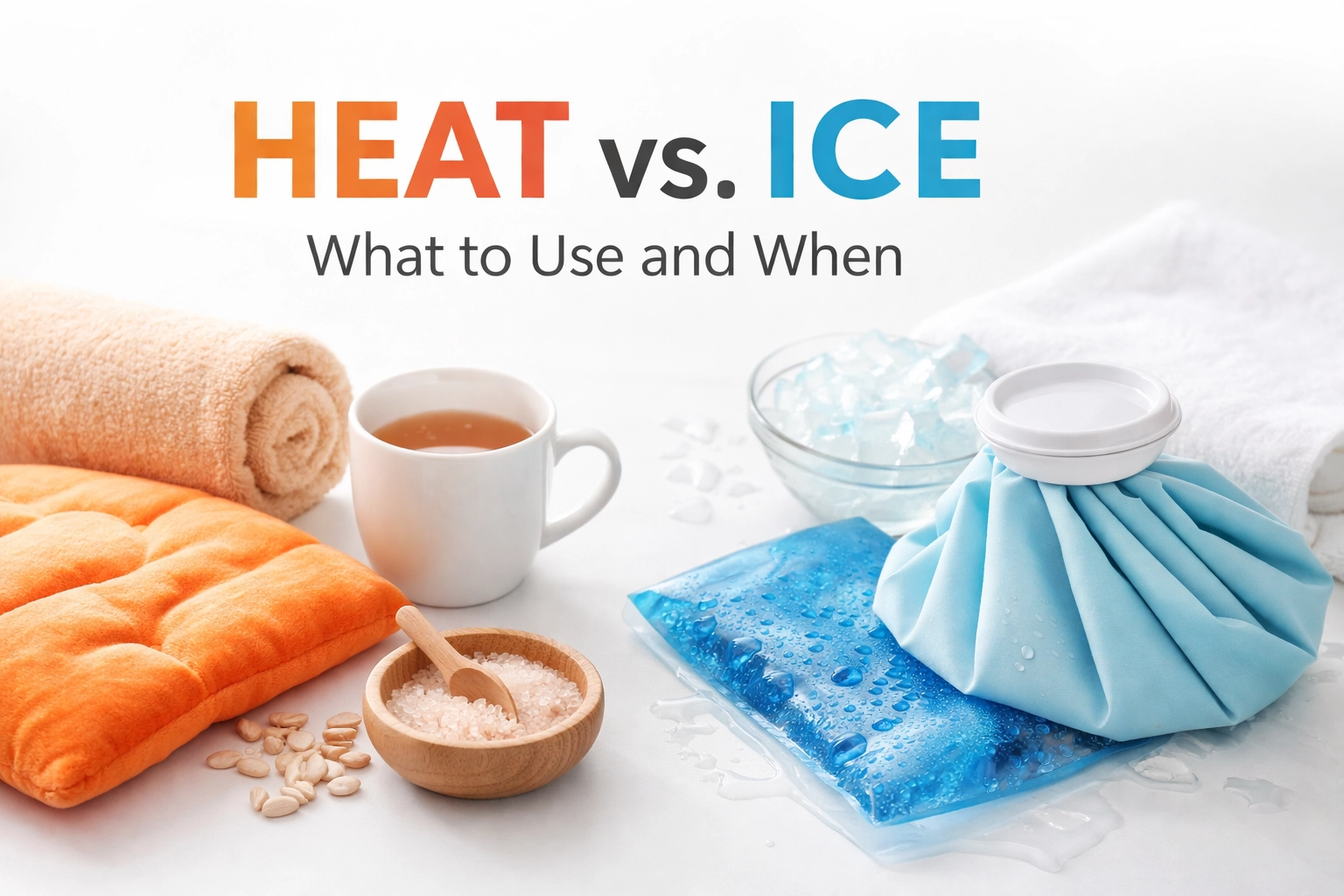
If your knee feels stiff, heat before activity may help. If it becomes swollen after activity, a wrapped cold pack may provide relief. Protect your skin and stop if symptoms worsen.
3. Build strength for the long term
Strong quadriceps, hips, and core muscles support your knees during daily activities.
Strength training is one of the most useful long-term strategies for managing knee discomfort. A physical therapist can create a plan based on your current strength, injury history, and goals.
Learn more about the importance of movement in mobility versus flexibility.
4. Take fall yard work seriously
Raking, lifting bags, pushing a mower, and using a leaf blower can all strain your back, knees, and shoulders.
Use both hands when lifting. Keep loads light. Change positions often. Avoid twisting while carrying leaves or equipment. Take short breaks before you feel tired.
Fall yard work is also a good time to use an injury prevention screening.
When should you see a physical therapist?
Make an appointment if pain lasts more than a few weeks, keeps returning, or limits walking, stairs, exercise, or sleep.
You should also seek care for repeated swelling, knee instability, locking, or pain after an injury. A physical therapist can assess the cause and provide hands-on care, mobility work, strengthening, and a plan that fits your routine.
Do not let colder weather stop you from moving. If cold weather joint pain is limiting your life in Wilton, Monroe, or anywhere in Fairfield County, call Dynamic Edge Physiotherapy at (203) 978-3343 or email info@dynamicedgept.com.






La réception d’un colis mérite une place dans les discussions consacrées aux achats de matériel en ligne. Préparer le numéro de commande et identifier les articles attendus donnerait un cadre clair au contrôle du contenu. Pour pharmacie para au maroc, comme pour toute boutique, il serait pertinent de consulter la procédure prévue lorsqu’une référence manque ou qu’un emballage arrive abîmé. Des instructions précises sur les informations à transmettre faciliteraient la demande. Conserver les documents reçus aiderait ensuite à expliquer le problème sans devoir reconstituer les détails à partir de souvenirs.